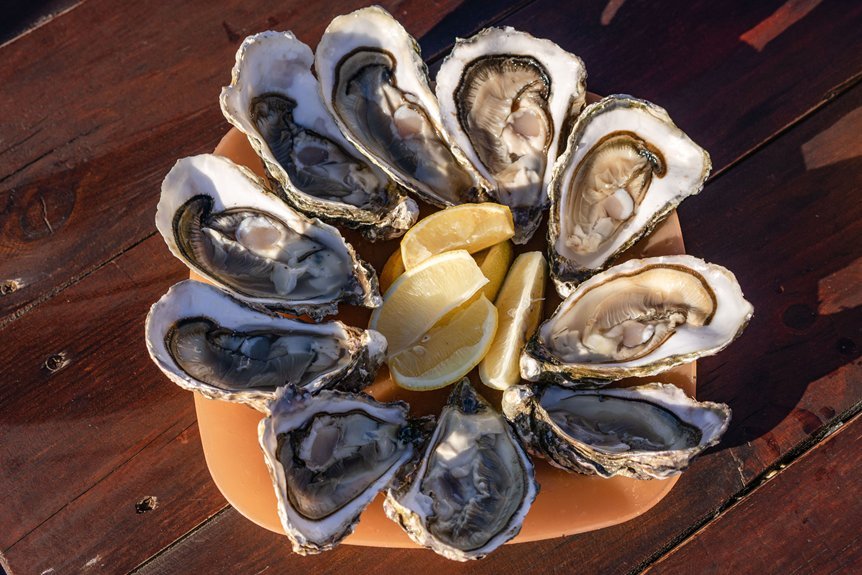
Ostrakon, historically a votive shard and record of civic practice, embodies structured citizen participation and accountability. Its modern interpretations extend to gut-friendly fermentation and microbial activity that may influence short-chain fatty acids and barrier function. Mineral profiles, including oyster-derived nutrients, offer potential electrolyte support and enzymatic assistance. Sustainability concerns, transparent sourcing, and practical eating tips frame responsible consumption. The interplay of culture, biology, and ethics invites further examination of how these elements cohere in everyday use.
What Ostrakon Is and Why It Matters
An ostrakon is a pottery shard used as a votive or informal record in ancient Greek democracy, typically inscribed with the name of a citizen as part of the process of ostracism.
The term anchors ostrakon history, reflecting structured citizen participation.
Its cultural significance lies in documented social control, collective decision-making, and symbolic accountability shaping political culture and civic responsibility within classical institutions.
Gut-Friendly Benefits and Enzymes to Know
Gut health hinges on the interplay between dietary components, resident microbiota, and host physiology, with certain enzymes and metabolic processes playing pivotal roles in digestive efficiency and barrier integrity. This section reviews ostrakon fermentation and gut enzymes, highlighting how microbial processing enhances short-chain fatty acid production, modulates inflammation, and supports barrier function, without overstatement, in a technically precise, evidence-based framing.
Mineral Profiles and How They Support Wellness
Minerals play a foundational role in physiological processes, and their profiles in oyster-derived products reflect contributions to electrolyte balance, enzymatic function, and structural integrity. The mineral profiles indicate systematic micronutrient provisioning, influencing cellular signaling and hydration status. Gut friendly enzymes accompany these profiles, supporting digestion and nutrient release while fostering wellness, freedom in dietary choices, and informed, evidence-based consumption decisions.
Sustainability, Sourcing, and Practical Eating Tips
Sustainability, sourcing, and practical eating tips for oysters require a rigorous assessment of ecological impact, supply chain integrity, and consumer-focused guidance. The analysis emphasizes traceable harvests, ecosystem-based management, and transparent certifications.
Evidence-based recommendations promote responsible consumption, minimize waste, and support local fisheries. Sustainability sourcing supports resilient markets, while practical eating guidance enhances informed choices and aligns culinary pleasure with environmental stewardship.
Frequently Asked Questions
Are There Any Common Side Effects From Ostrakon Consumption?
There are potential common side effects and allergy considerations associated with ostrakon consumption; individuals may experience digestive upset or hypersensitivity reactions, with severity varying. Careful monitoring is advised for those with shellfish allergies or prior anaphylaxis risks.
How Does Ostrakon Affect Gut Microbiome Diversity?
Ostrakon gut fluctuations, coincident with dietary shifts, may modestly affect Microbiome diversity by shifting proportional abundances; evidence suggests limited, context-dependent changes rather than uniform, large-scale diversity gain, with individual variability and methodological nuances guiding interpretation.
Can Ostrakon Boost Athletic Performance or Recovery?
Ostrakon may contribute to modest athletic synergy, though evidence remains preliminary. The assessment notes potential effects on endurance and recovery through immunomodulatory pathways; ostrakon recovery mechanisms are hypothesized but require rigorous trials to confirm practical performance gains.
What Is the Ideal Daily Serving Size for Ostrakon?
The ideal daily serving size for ostrakon is moderate, about 1–2 servings per day, depending on dietary guidelines. Ostrakon dietary guidelines emphasize balance; culinary uses include salads, soups, and lean-cook preparations for functional nutrition.
Are Ostrakon Varieties Suitable for Vegan or Allergy-Friendly Diets?
Ostrakon varieties are generally vegan-friendly and may suit allergy-conscious diets, depending on processing and additives. Two word discussion ideas: Vegan suitability, Allergy considerations. The evidence supports ingredient transparency and cross-contact prevention for nutritional labeling, enabling informed dietary freedom.
Conclusion
Ostrakon, as a record of civic process and as a vehicle for gut-friendly fermentation, embodies a dual logic of memory and microbial stewardship. The evidence links fermentation-derived metabolites to barrier function and short-chain fatty acid production, while oyster-derived minerals support electrolyte balance. Sourcing transparency anchors ethical consumption. In the quiet ledger of practice and plate, the material and microbial worlds intersect, hinting at a governance of health and taste that echoes ancient deliberation and modern rigor.